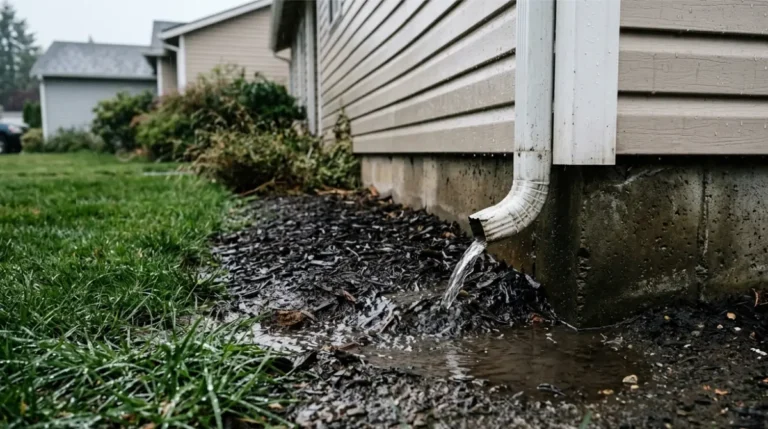
Push piers vs helical piers, and the real cost of each

Push piers vs helical piers differ in what drives them: your house’s weight or a motor’s torque. That gap shapes which one fits.
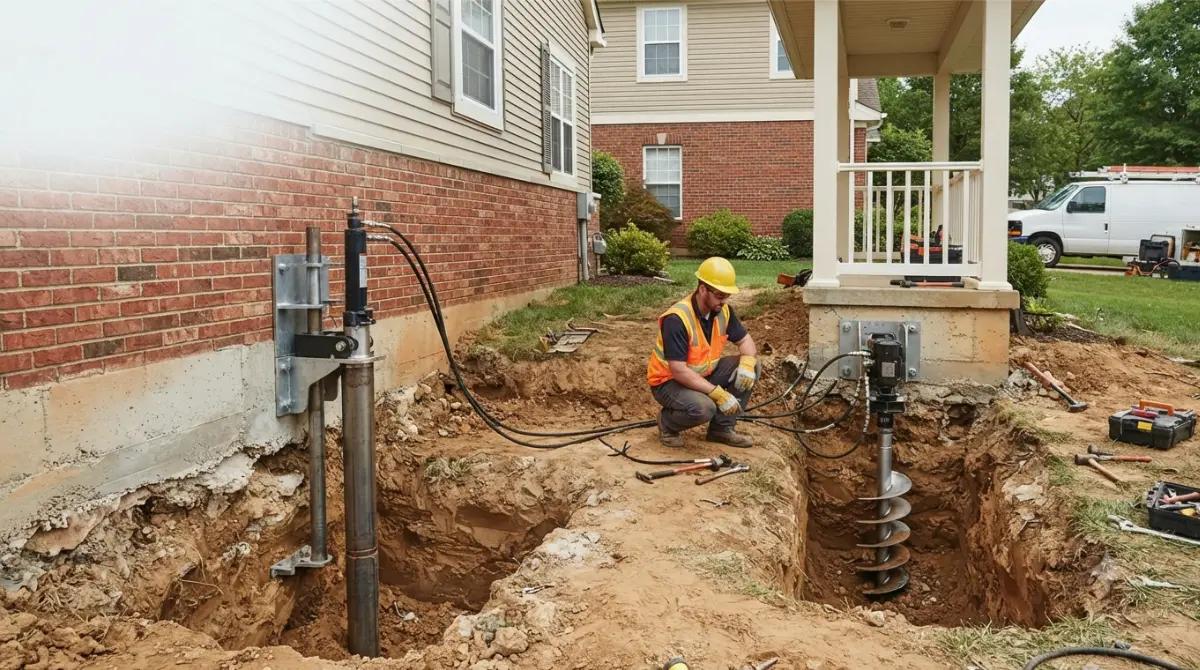
Table of Contents
Push piers vs helical piers: the short answer
Push piers are steel tubes a hydraulic ram drives down beside your foundation, using the house’s own weight as the pushing force. Helical piers are screw-bladed steel shafts a machine twists into the soil until torque readings show support. Most published per-pier prices land between $1,000 and $3,000.
Where you are decides where to jump: holding a quote, go to the cost table and checklist; noticing cracks or sticking doors, start at “Before you sign”; just curious, keep reading.
Quick pick by situation
Heavier houses generally give push piers enough weight to push against; lighter structures like porches often call for helical piers. Treat that as a lean, not a diagnosis.
What this article can’t decide for you
Soil, structure weight, and why your foundation moved decide the pier type. A licensed engineer settles that.
ℹ️ Safety Note: Foundation underpinning is structural work with serious damage risk if done wrong. This guide is general information only; hire a licensed structural engineer and licensed foundation contractor, and follow local code and permit requirements.
How each pier type holds your house up
Both systems move your house’s load past soft soil to ground that can carry it.
Push piers: driven to firm ground with the house’s weight
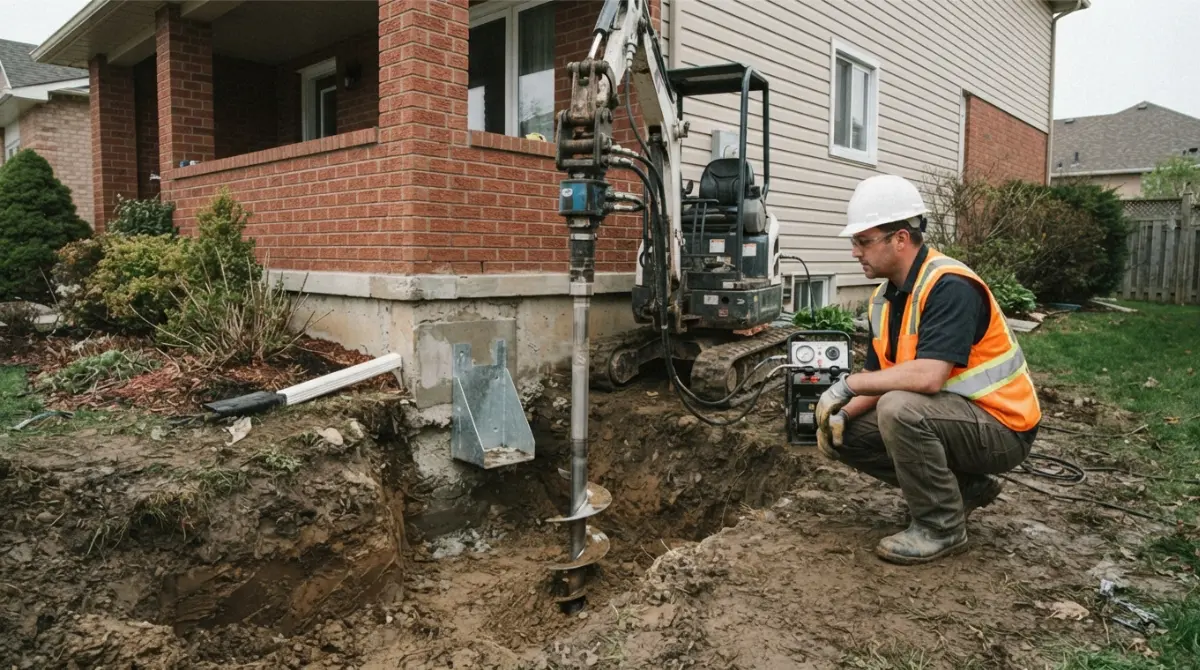
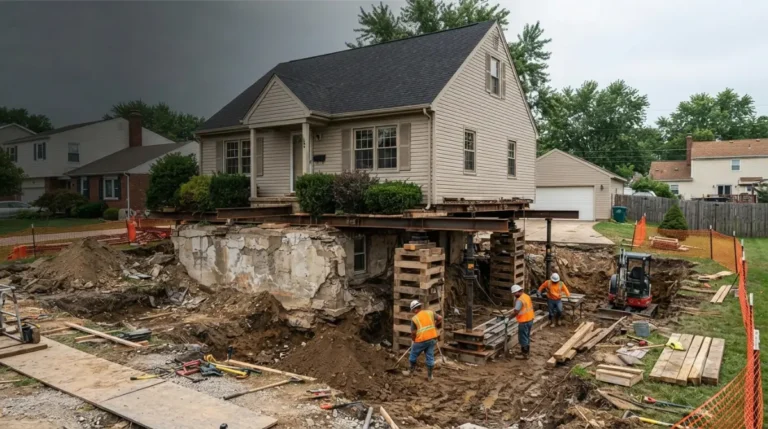
A bracket attaches to your footing, and a hydraulic ram drives steel pipe down through it to a firm-bearing layer. One manufacturer describes testing each pier to a force above what’s needed to lift the structure.
Helical piers: screwed in until torque hits target
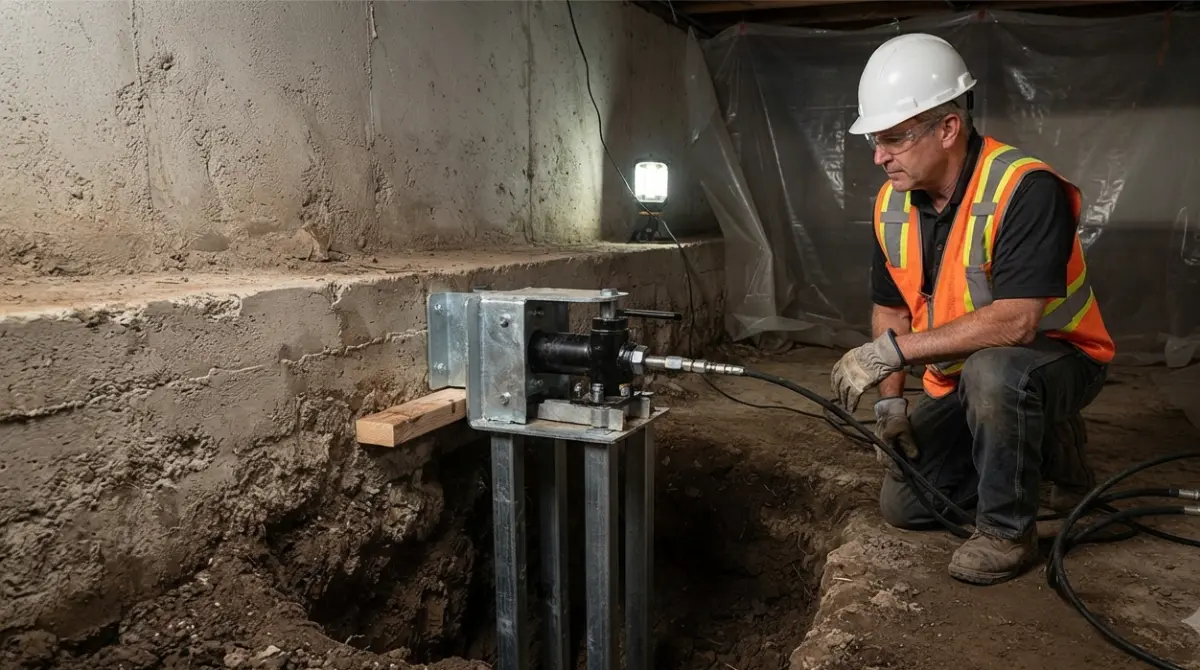
A drive motor twists the shaft down until it reaches the required depth or a bearing layer. In an ICC-ES evaluation report for one helical system, capacity comes from final torque times a correlation factor, with a safety factor of at least 2.
What “tested” means for each
Push-pier makers describe load-testing each pier during installation. Helical piers are verified by torque, and engineers can order load tests.
🔍 Why It Works: A push pier is like pressing a pole into the ground while standing on it; your house is your weight. A helical pier doesn’t need that weight, because the machine supplies the turning force.
Push vs helical piers: where each one wins
The pier types differ most in what drives them and what they suit.
Heavy house or light structure?
Push piers need structure weight to push against; helical piers don’t.
Tension, lateral load, and access
Helical shafts can resist uplift, but side-load repair brackets under an existing footing carry compression only.
Soil and depth to firm ground
Sources disagree on which type reaches deeper, so ask for the depth plan. Torque is a widely used field check, though NSF-hosted research on torque and capacity notes validated models are lacking.
| Factor | Push piers | Helical piers | Key detail |
|---|---|---|---|
| Driven by | House weight | Motor torque | Weight vs. torque |
| Light structures | May lack weight | Often better fit | Porches, additions |
| Uplift | Not designed for it | Shaft can; repair brackets can’t | New work only |
| Footing | Bracketed to it | Bracketed to it | Engineer checks it |
What push and helical piers cost per pier
Per-pier prices vary with depth, access, and region, so treat each figure as a range, not a quote.
| Source | Push piers | Helical piers | Key detail |
|---|---|---|---|
| Angi (July 2026) | About $2,000 | About $3,000 | National averages |
| Atlanta contractor | $1,000–$3,000 | $1,500–$3,500 | Marketing range |
| Southeast contractor | $1,600–$2,600 | $1,800–$2,800 | Marketing range |
From per-pier price to whole-job total
📊 Tested / Spec: Angi cites about 10 piers on a typical job, $10,000–$30,000 all-in, plus $200–$1,000 for permits. Our arithmetic from its averages: 10 push piers is near $20,000, 10 helical near $30,000.
What pushes your price up or down
Angi names pier count, foundation type, access, and soil, noting clay can require more piers. For the wider ladder, see the full foundation repair cost range.
How to choose between push and helical piers
Five questions turn the comparison into a decision you can take to a professional.
Five questions that settle it
- Does the house weigh enough to push against?
- Do you need uplift resistance, as with an addition?
- How deep is firm ground, and who documented it?
- What condition is the existing footing in?
- What caused the settlement, and does the fix address it?
When neither pier is the right fix
Bowing basement walls often come from soil pressure rather than sinking; This Old House lists carbon fiber straps or wall anchors for those. See bowing basement wall repair costs.
Mixed systems on one house
Some projects use both pier types together, so a quote naming both isn’t automatically a red flag.
Before you sign a pier quote
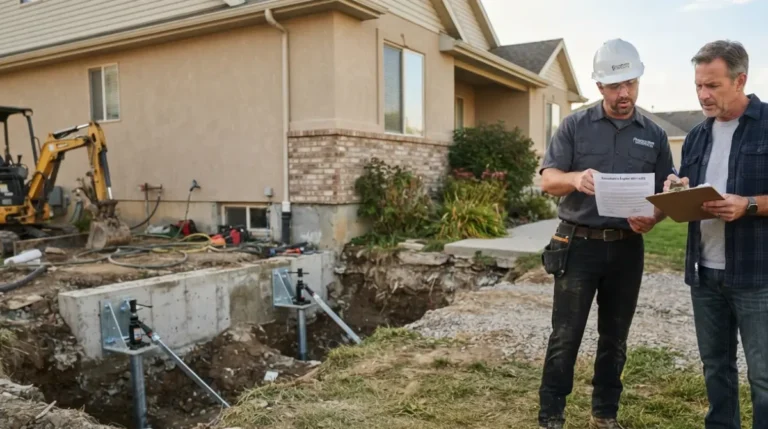
A pier quote is a proposed solution, not a diagnosis.
Signs the foundation may need evaluation
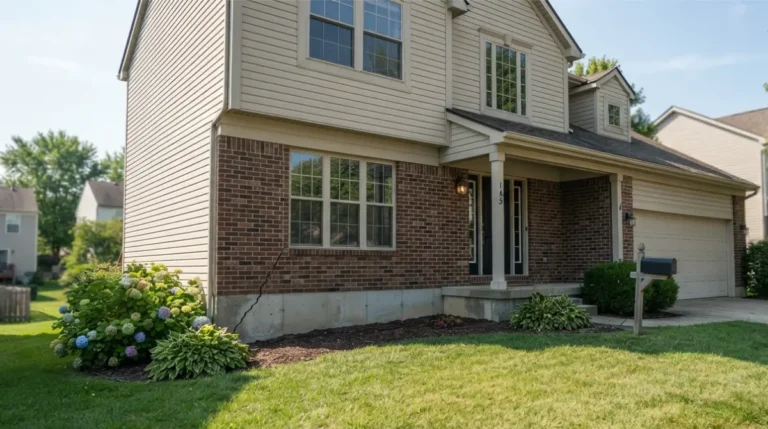
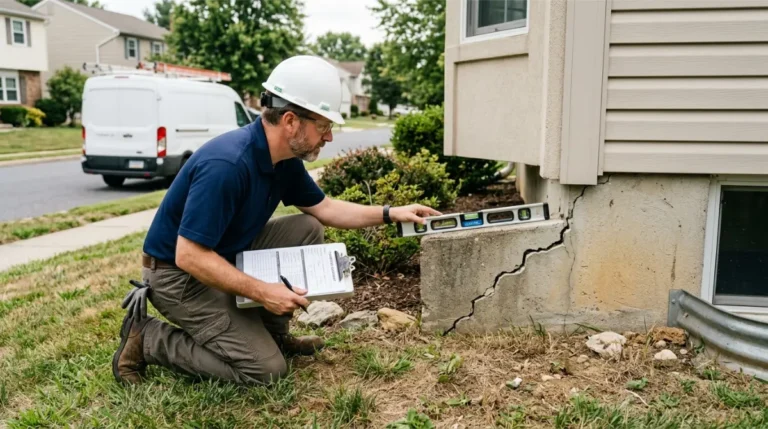
This Old House advises professional evaluation for widening cracks, suddenly sticking doors, growing gaps, or water entering, and lists a crack wider than ¼ inch among signs it may be structural. See signs of foundation problems versus normal settling.
Why an independent engineer comes first
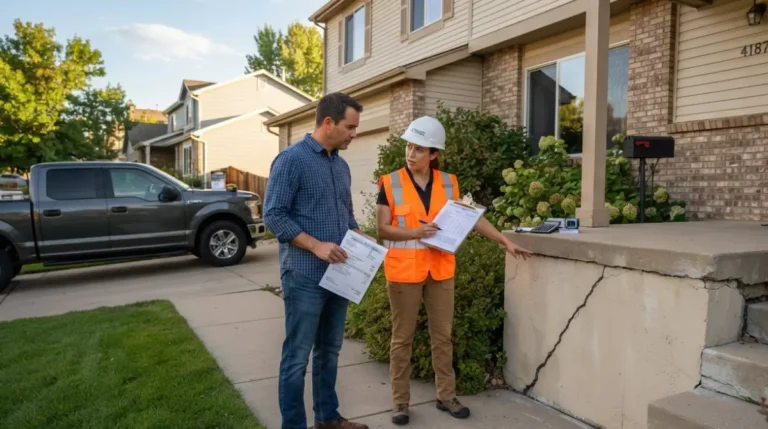
Angi recommends a structural engineer for an unbiased inspection that guides contractors, at $200–$800 per inspection.
What to ask each contractor
Ask why piers and why this type; how many, where, and how deep; and who designs it and pulls the permit.
✅ Do This: Hire a licensed structural engineer with no stake in the repair, and ask for the cause of movement and whether piers are needed at all.
What to keep and watch after installation
Good records let you verify a pier job later.
Records to ask for
Request pier locations, final depths, and installation torque or driving-force readings. An ICC-ES report lists locations, depths, and torque among its helical inspection items. Get warranty terms in writing.
What to watch over the next year
Mark crack ends with dated pencil lines or photos, as This Old House suggests. New or growing cracks, or sticking doors, mean calling your engineer.
Push piers vs helical piers: common questions
1. Are helical piers better than push piers?
Neither wins everywhere: push piers suit heavier houses, while helical piers suit lighter structures. Ask a licensed structural engineer to confirm which fits.
2. Which costs more, push or helical piers?
Helical piers usually cost more: Angi averages about $3,000 per helical pier versus about $2,000 per push pier, though contractor ranges overlap.
3. How much does a push pier cost?
Angi puts push piers near $2,000 each; published contractor ranges run roughly $1,000 to $3,000 per pier.
4. How much does a helical pier cost?
Angi puts helical piers near $3,000 each; published contractor ranges run about $1,500 to $3,500 per pier.
5. How many piers does a house need?
Angi cites about 10 piers on a typical job, but pier count depends on your foundation and soil. An engineer’s plan sets the number.
6. Can push piers be used on a light house?
Light structures may lack enough weight to push against, so helical piers are often considered instead. Ask your engineer before choosing.
7. Do helical piers resist uplift?
The shaft can, but side-load repair brackets under an existing footing carry compression only. Uplift capacity mainly applies to new-construction brackets.
8. Do I need an engineer before piers?
Angi advises an independent structural engineer inspection first, at about $200–$800. Hire a licensed engineer who doesn’t sell the repair.
9. Do piers lift a settled house?
Push piers and helical piers can both lift a settled structure, but a design professional should verify any lifting.
10. What paperwork should I get after installation?
Ask for pier locations, final depths, and torque or force readings in writing, plus warranty terms.
The pick comes after the diagnosis
Push piers lean toward heavier houses with firm ground below; helical piers lean toward lighter structures, at roughly $2,000 and $3,000 per pier on Angi’s averages. Neither choice should come before an independent engineer’s diagnosis. Once you have it, foundation repair cost by scope shows how a pier job compares with smaller and larger repairs.