Keep the Right Basement Waterproofing Warranty When You Sell

Waterproofing warranty transfers aren’t automatic. One contractor’s lapses 30 days after the deed records; here’s what to check, plus permits.
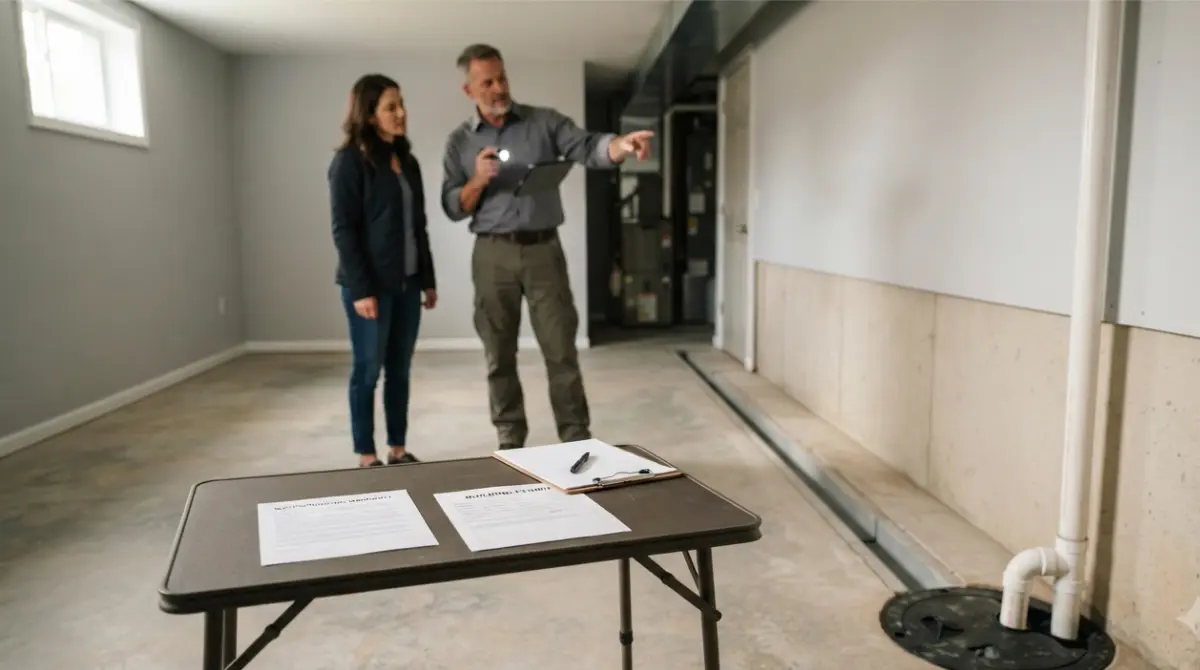
Table of Contents
Selling or buying? Two documents decide what transfers
Your waterproofing job left behind two documents that matter when the house changes hands: the contractor’s warranty and the permit record. A sale tests both.
If you’re selling
Start with the next section to check whether your warranty actually moves to the buyer. Then use the closing-file checklist near the end.
If you’re buying or still comparing quotes
Buyers should read how transfers work and what voids coverage, so you don’t inherit a warranty that quietly lapses. If you’re still comparing bids, read the transfer and permit sections before you sign. If you haven’t worked through your bids yet, start with reading your waterproofing quote line by line.
ℹ️ Safety Note: Warranty transfers and permits involve contracts and local building codes, and both carry real money at stake. This article is general information, not legal advice. Your signed warranty, your local building department, and (for disclosure questions) a real estate attorney or agent are the final word.
Is a basement waterproofing warranty transferable?
Only if the written warranty says so. “Lifetime” and “transferable” are separate promises, and many contracts make only the first.
“Lifetime” usually means your lifetime, not the home’s
A non-transferable lifetime warranty generally lasts only as long as you own the home, and it ends when you sell. A transferable warranty is written to stay with the house. For example, Groundworks’ published warranty policy says its warranties stay with the installed system and extend to new owners.
The one sentence to find in your warranty
Look for a clause naming “subsequent owners,” “transfer,” or “assignment.” If there’s no clause, assume the warranty doesn’t transfer and ask the contractor in writing. That belongs on your list of questions to ask a waterproofing contractor before signing.
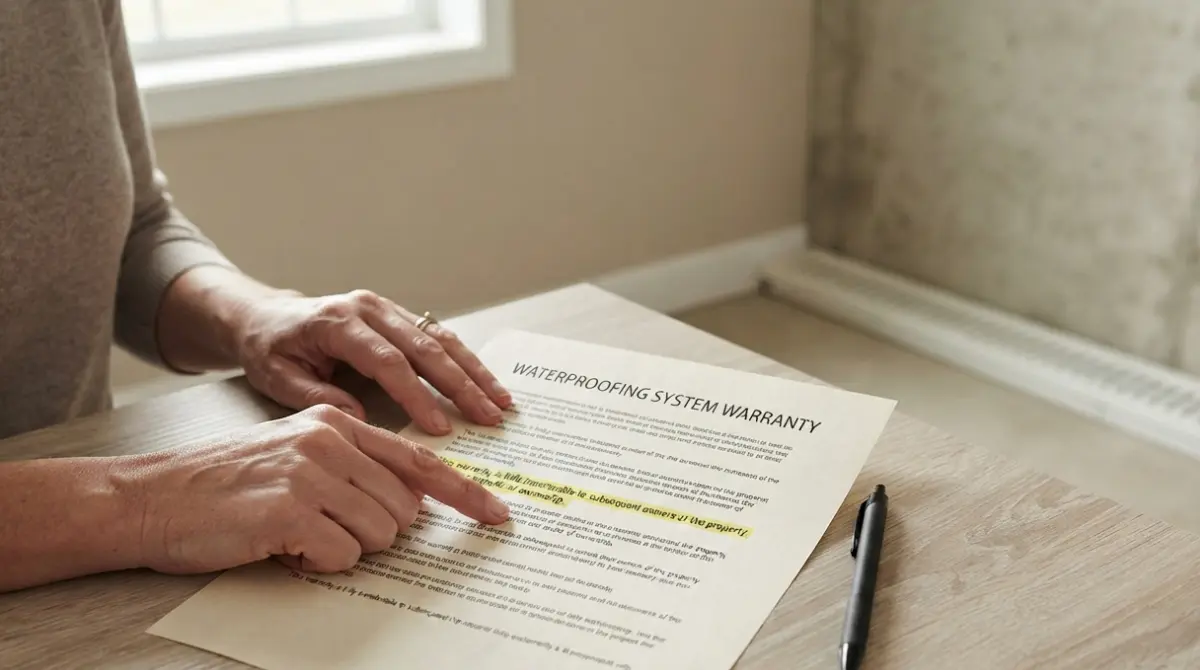
🔍 Why It Works: A warranty is a contract between you and the contractor. A buyer isn’t a party to it unless the contract says the promise extends to later owners.
How the transfer works: fees, deadlines and paperwork
Transfer is rarely automatic. Even a transferable warranty usually needs notice, and sometimes a transfer fee, before the contractor recognizes the new owner.
Three real transfer policies compared
| Contractor | Fee | Transfers | Deadline | Key Detail |
|---|---|---|---|---|
| RCC Waterproofing | None | No limit stated | None stated | Passes to each successive owner |
| Big Easy Basements | None | One | Not stated | Same terms carry over |
| Foundation Waterproofing 101 | Yes ($400 and $500 both listed) | Not stated | 30 days after deed records | Lapses if missed |
The steps around closing

- Find the transfer clause and note the fee, the deadline, and any required form.
- Share the warranty with the buyer before closing, so the fee can be negotiated.
- After the deed records, submit the form and fee within the window. One contractor’s transfer procedure sets 30 days.
- Get written confirmation that the new owner is on file.
⚠️ Watch Out: One contractor’s page lists two different transfer fees. Treat the signed warranty, not the website, as the final word.
What voids coverage before or after a sale
A transferred warranty still depends on its conditions being met after closing.
Skipped inspections and unpaid service fees
Some warranties require a periodic annual inspection that carries a fee. Skipping either one may void coverage, so the buyer needs the inspection schedule and the service contact.
Finishing or altering the basement
Later work can fall outside coverage. One contractor states that if a new owner finishes the basement or modifies the drainage without them, those changes aren’t covered, though the original work area stays covered. Our comparison of interior versus exterior waterproofing shows which parts each system includes.
✅ Do This: Before renovating, email the contractor your plans and ask in writing whether they affect coverage.
Which waterproofing work needs a permit
Whether waterproofing needs a building permit depends on your jurisdiction and the scope of work, so your local building department is the only reliable answer.
Scope that commonly triggers permits
| Jurisdiction | What its official page says | Key Detail |
|---|---|---|
| Anne Arundel County, MD | Building permit required to waterproof a basement | Covers sealants, drains, possibly a sump pump |
| Wentzville, MO | Final inspection after sump pump electrical work | Cites the 2021 IRC check valve rule |
Sources: Anne Arundel County’s residential waterproofing permit page and Wentzville’s sump pump permit guide. These are local examples, not national rules.
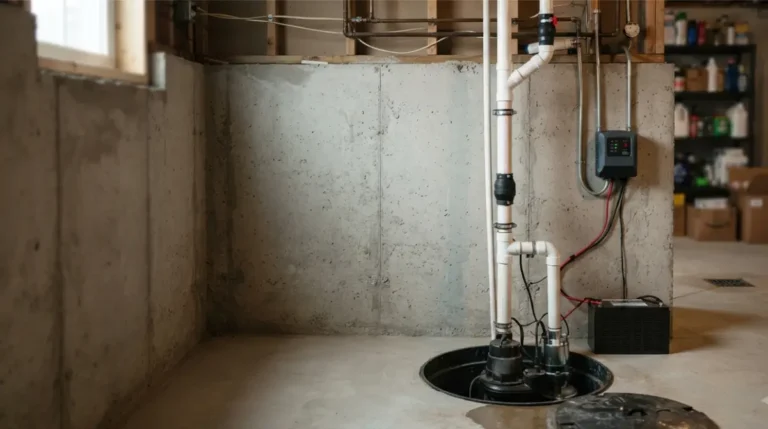
Excavation, new drains, and a sump pump on a new circuit are the parts of a job most likely to involve a permit or inspection. Our DIY versus professional waterproofing guide covers which of those jobs belong with a licensed pro.
Who should pull it
Pulling permits should normally be the contractor’s job. The FTC’s advice on avoiding a home improvement scam lists a contractor asking you to get the required permits as a warning sign.
✅ Do This:
- Call your building department, describe the scope of work, and ask which permits apply.
- Confirm in the contract who pulls the permits.
- Confirm in the contract that the final inspection will be scheduled.
Why permit records matter at inspection and closing
Permits come back up at sale because a buyer, inspector, or lender may ask whether major work was permitted and inspected.
Finaled vs. open permits
A permit that passed its final inspection is a clean record. A permit that was opened but never closed out can raise questions during a buyer’s review, and how that’s handled varies by locality.
Seller disclosure varies by state
Seller disclosure forms differ by state. Whether you must disclose past water problems or the repair depends on your state’s form.
✅ Do This: Ask your listing agent or a real estate attorney what your state’s disclosure form requires. Confirm that any waterproofing permit shows as closed.
The closing-file checklist for waterproofing work
One folder answers most of the questions a waterproofing job raises at sale. You don’t need to remember everything; you just need these papers in one place.
For sellers
- The signed warranty, with its transfer clause marked
- The original estimate, scope of work, and any change orders
- Permit numbers and the final inspection sign-off
- Inspection or service records
For buyers
- Ask for everything above before your inspection window closes.
- Confirm the transfer deadline, the fee, and who pays it.
- Get the contractor’s service contact.
Want a printable version? Email hello@gladewick.com and we’ll send the Waterproofing Closing-File Checklist.
Frequently asked questions
1. Is a basement waterproofing warranty transferable?
Only if the written warranty includes a transfer clause. A non-transferable lifetime warranty generally ends when you sell the home.
2. Is there a fee to transfer a waterproofing warranty?
It depends on the contractor. Published examples range from no fee to a fee listed at $400 to $500.
3. How long do I have to transfer a waterproofing warranty after closing?
It varies by contractor. One requires the paperwork within 30 days of the recorded deed, or the warranty lapses.
4. What voids a basement waterproofing warranty?
Skipping required inspections or service fees may void coverage. Check your warranty’s conditions section for the exact requirements.
5. Does finishing the basement void a waterproofing warranty?
At least one contractor excludes owner modifications but keeps the original work area covered. Ask your contractor in writing before renovating.
6. Does basement waterproofing require a permit?
It depends on your jurisdiction and scope. Anne Arundel County, Maryland, for example, requires a building permit for basement waterproofing. Confirm with your local building department.
7. Who pulls the permit for basement waterproofing?
Normally the contractor. The FTC flags a contractor asking you to get required permits as a warning sign. Confirm who pulls it in your contract.
8. Does a sump pump installation need an inspection?
In some places, yes. Wentzville, Missouri, requires a final inspection after the sump pump’s electrical work. Check with your building department.
9. Do buyers check basement waterproofing permits?
They may. A buyer, inspector, or lender can ask whether major work was permitted and inspected. Ask your agent how it’s handled locally.
10. What waterproofing documents should a seller hand over?
The signed warranty, the original estimate and scope, change orders, permit and final inspection records, and any service records.
Get both documents in hand before you list or sign
Before you list, or before you sign a new contract, make sure you have two things:
- a warranty with a clear transfer clause and deadline
- a permit record showing the final inspection passed