A Mouse Trap Not Working Is Usually a Placement Mistake
Mouse traps not working usually means geometry, not bad luck — traps belong within 10 feet of activity, trigger against the wall

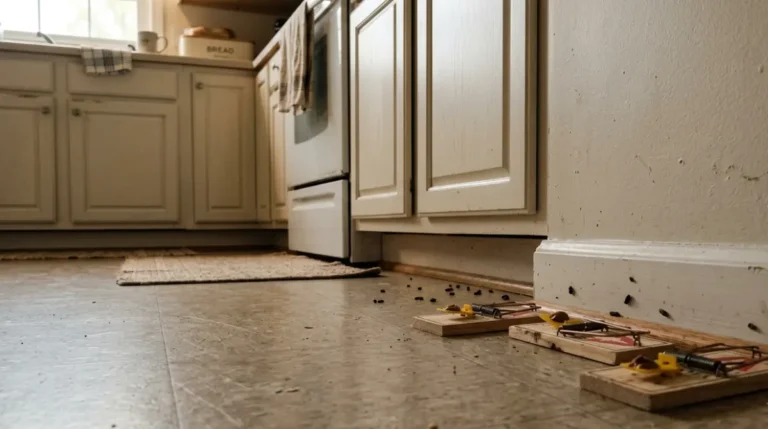
Mouse traps not working usually means geometry, not bad luck — traps belong within 10 feet of activity, trigger against the wall
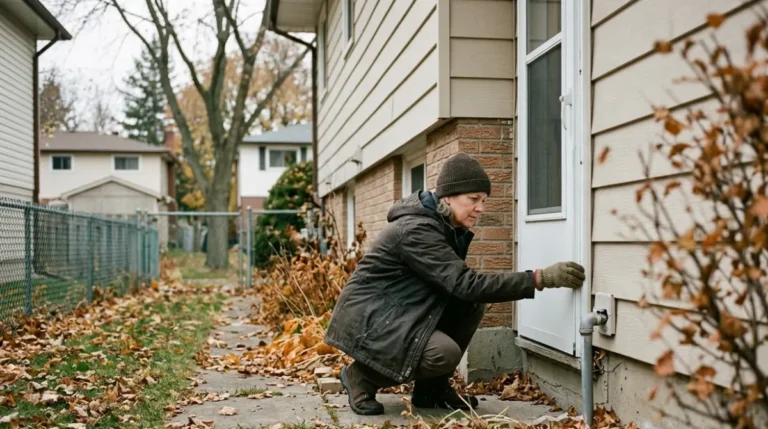
Proofing a house for winter starts with a date you look up, not a season you guess. NOAA sets the first freeze at 32°F — your schedule follows
it.
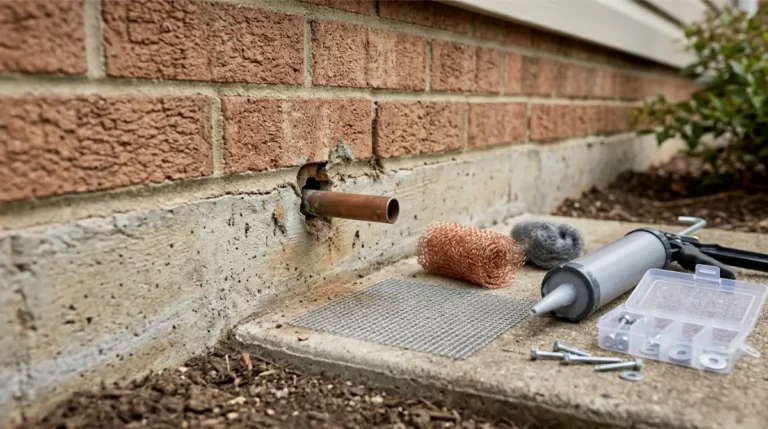
Sealing mouse entry points is a 1/4-inch problem, and the material you pack
in decides whether the hole is still shut a year from now.
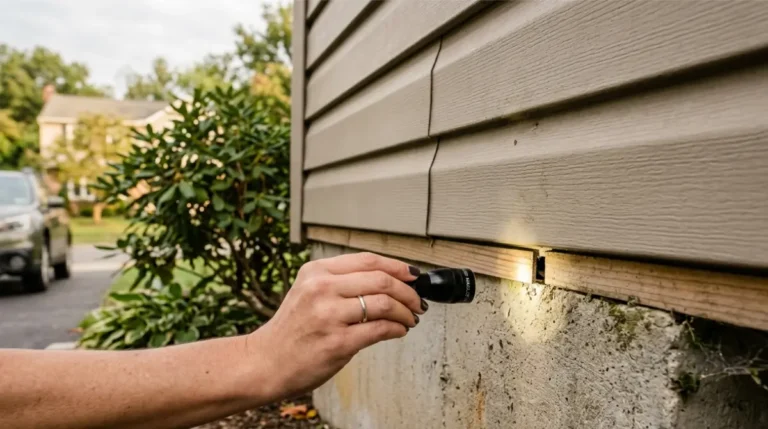
Mice get into a house through openings over a quarter inch — and the
twelve that matter are mostly structural, not the visible hole you’re
picturing.
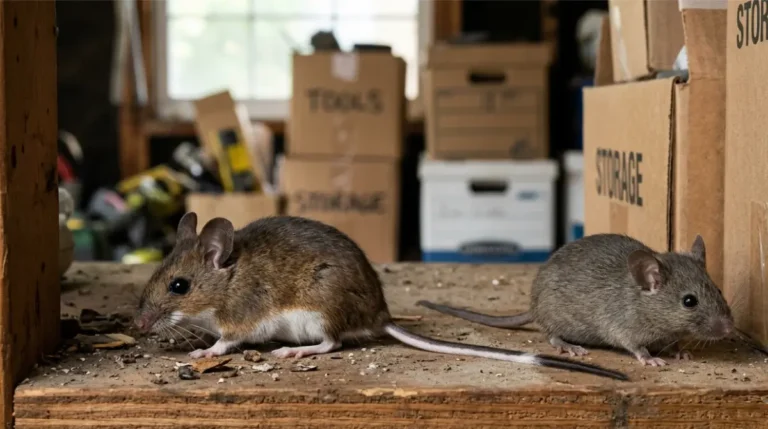
Deer mouse vs house mouse comes down to the tail — but CDC’s cleanup
steps are identical for both. What changes is how far you have to escalate.
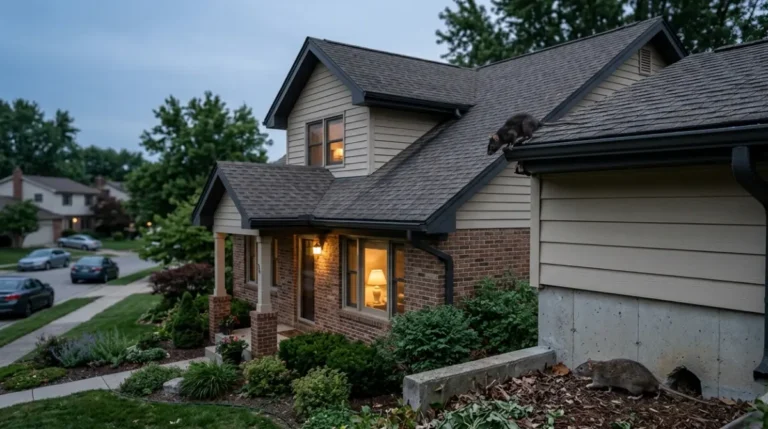
Roof rats vs Norway rats split the house between them: one works above the roofline,
one works the foundation. The ½-inch door gap belongs to both.
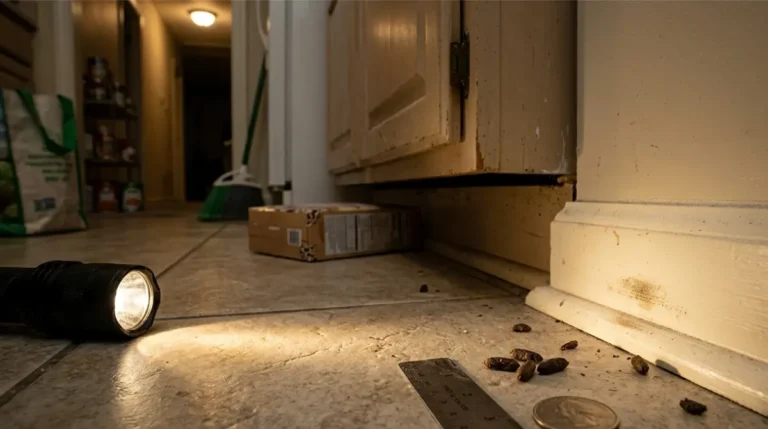
Mice vs rats gets settled by a ruler, not a glance. Mouse droppings run 1/8 inch, Norway rat droppings 3/4 — and size alone will fool you on a young rat.
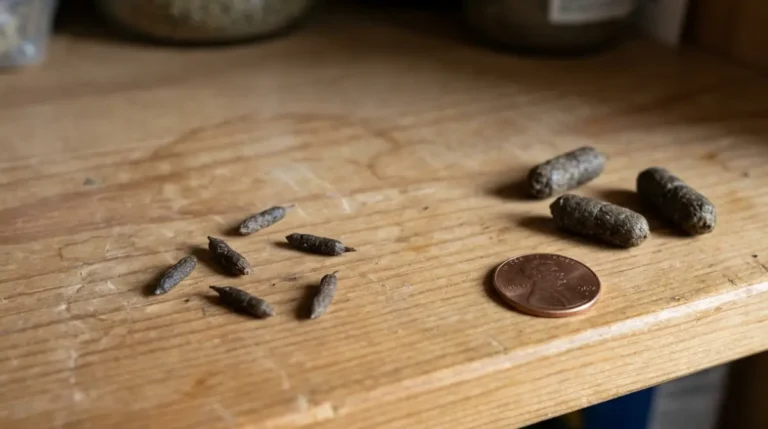
Rodent droppings identification comes down to a ruler — or a penny, which is exactly 0.75 inch wide. Here’s what size, shape, and age really tell you.
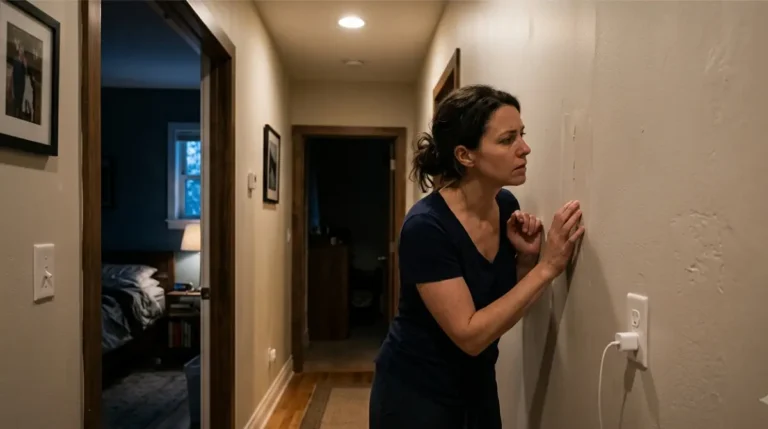
Scratching in the walls at night is usually a rodent — but flying squirrels, bats and the house itself all make the same sound after dark.
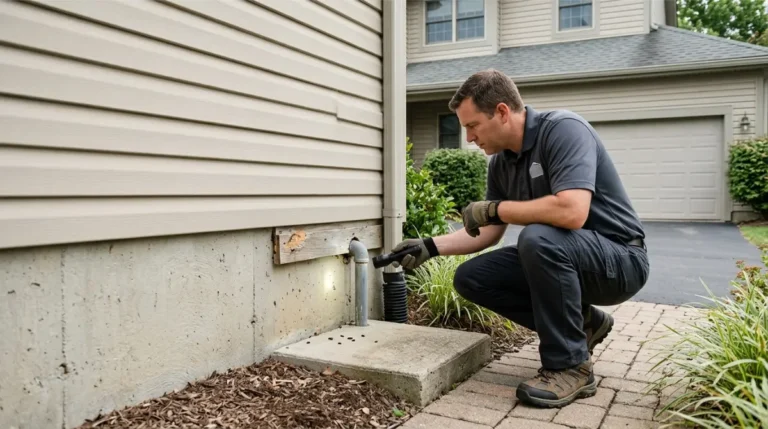
Rodent proofing starts with a material choice: extension research lists foam, vinyl and wood as ineffective against mice. Then there’s the legal half.